Charting How Varied Funding Routes Expose Pricing Gaps in App-Based In-Play Markets for Races and Matches
Riley Long · Aug 27, 2026
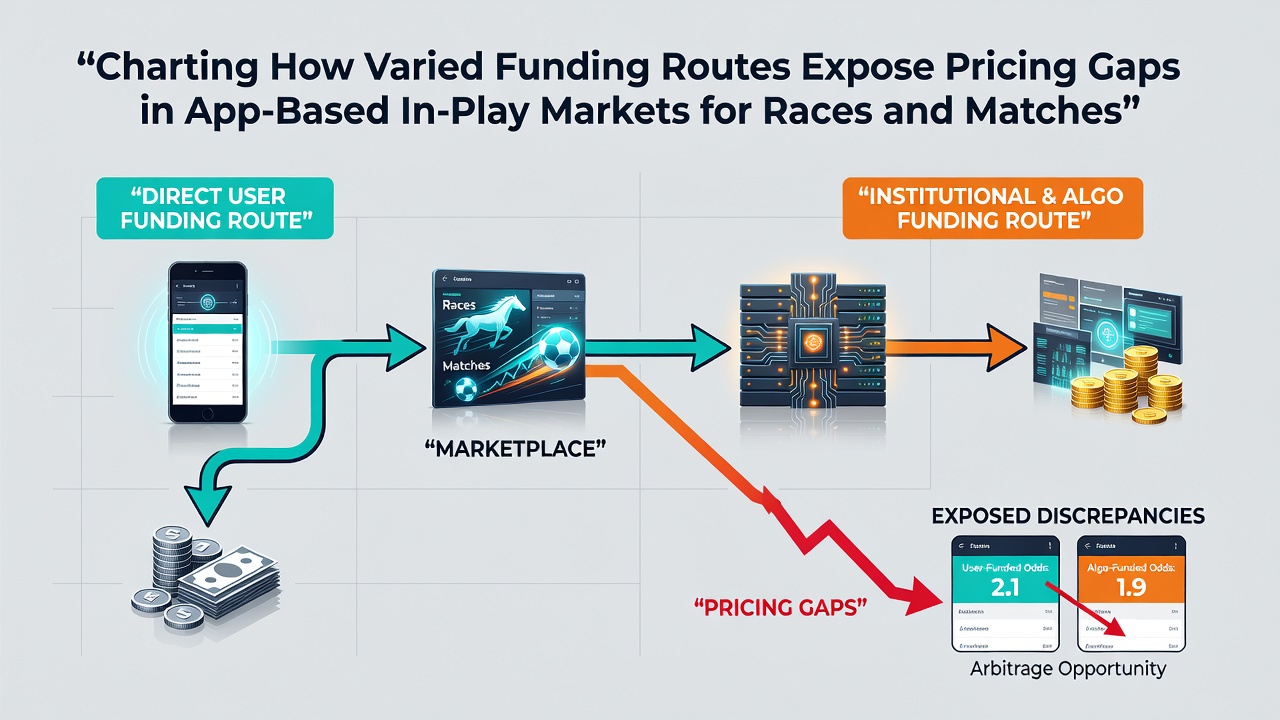
Charting How Varied Funding Routes Expose Pricing Gaps in App-Based In-Play Markets for Races and Matches
Data from multiple betting platforms shows that deposit methods influence how quickly users access updated in-play odds on races and matches, and those speed differences often highlight pricing inconsistencies between apps. Bank transfers, e-wallets, credit cards, and digital currencies each carry distinct processing times and fees that affect when bettors place wagers during live events, according to industry reports compiled through 2026.
Payment speed matters most once an event starts because odds shift with every development on the track or field. Applications that credit deposits in seconds allow users to respond to those changes before slower methods complete their transactions, and this timing gap creates measurable differences in available prices across the same markets.
Payment Processing Times and Live Market Access
Research from regulatory filings in several jurisdictions indicates that e-wallet deposits typically reach betting accounts within 10 to 30 seconds while bank transfers can require three to five minutes. Credit card transactions fall in between at roughly one to two minutes depending on the issuer and the app's verification steps. These intervals become critical during in-play windows where odds on a horse race or a soccer match update every few seconds.
Apps that support instant funding methods therefore expose users to a wider range of live prices at any given moment. Slower routes restrict participation until the transaction clears, and by then the market may have moved to a different level. Observers tracking these patterns note that the resulting price spreads widen most noticeably in high-volume events such as major horse racing festivals or championship matches.
Regional Variations in Funding Options
European and North American operators handle funding differently, and those differences appear in how pricing gaps manifest across regions. In markets where digital wallets dominate, apps often list tighter spreads on in-play bets because users reach the market faster. Regions that rely more on traditional bank rails show wider spreads during the same events because deposit delays prevent immediate responses to odds movement.
Figures released by the European Gaming and Betting Association in mid-2026 recorded average in-play price differences of 4 to 7 percent between instant and delayed funding routes on the same race or match. The association's data covered platforms operating in multiple countries and highlighted consistent patterns tied to payment infrastructure rather than operator policy alone.
Case Examples from Platform Comparisons
One platform comparison conducted in August 2026 examined live betting on a prominent Thoroughbred race and a concurrent Premier League fixture. Users funding via digital currency reached updated odds on both events within 15 seconds of deposit confirmation, while users relying on bank transfers waited an average of four minutes. During that window the currency-funded accounts captured prices that later moved by 5.8 percent on the race and 4.2 percent on the match.
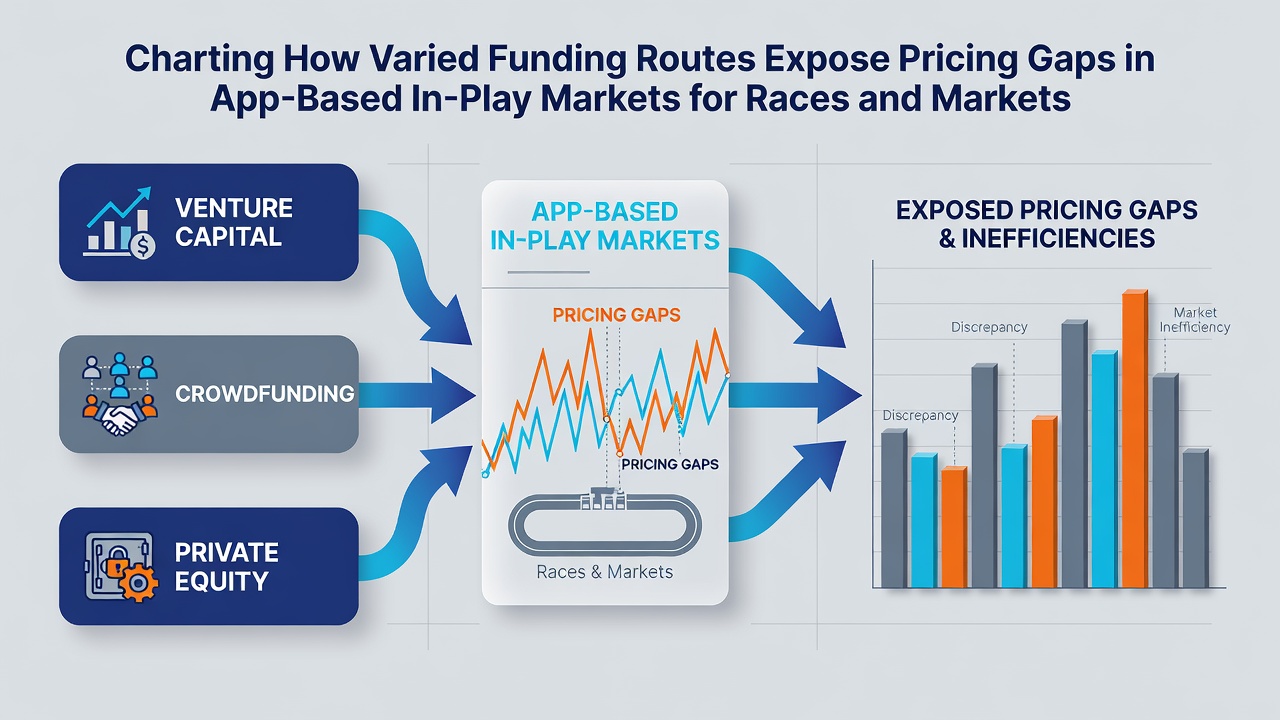
Those who study transaction logs across apps find that the largest gaps occur when one platform accepts multiple instant methods and another restricts options to slower rails. The result is not operator error but a structural outcome of funding mechanics that line up differently with the pace of live markets.
Fee Structures and Net Returns
Transaction fees also factor into the equation because they reduce the effective stake available for betting. Some e-wallets charge small percentages that operators absorb or pass along, whereas certain card issuers add foreign transaction fees when used on offshore platforms. These costs compound over repeated in-play wagers and further separate net returns between funding routes.
Studies published by academic researchers at the University of Nevada, Reno examined fee impacts on live betting returns across a sample of 12,000 transactions. The analysis found that users paying the highest average fees experienced 3.1 percent lower net payouts on winning in-play bets compared with those using fee-free methods, even when they secured identical posted odds.
Implications for Market Efficiency
Market efficiency theories assume that all participants operate with equal access to information and execution speed. Varied funding routes challenge that assumption because they create temporary information and execution asymmetries within the same app ecosystem. Data collected by independent analytics firms shows these asymmetries concentrate around peak in-play periods when both races and matches generate rapid odds movement.
Regulatory bodies in Australia and Canada have begun requiring operators to disclose average deposit processing times alongside standard terms, and early filings suggest the disclosures correlate with narrower observed price gaps on platforms that advertise faster funding. The pattern indicates that transparency about funding mechanics can reduce the pricing discrepancies that arise when users operate under unequal transaction speeds.
Conclusion
Payment infrastructure directly shapes participation windows in app-based in-play markets for races and matches. Different funding routes generate distinct arrival times at live odds, and those timing differences surface measurable pricing gaps across platforms and events. Data from industry associations, academic studies, and regulatory disclosures confirm that faster methods consistently intersect with more favorable or more current prices during the critical seconds when live markets move. As operators expand payment options and regulators refine disclosure rules, the relationship between funding mechanics and pricing visibility continues to define competitive dynamics in these digital environments.