Cross-Platform Synchronization of Verification Points and Live Balance Data in Soccer, Racing, and Slot Environments
Riley Long · Aug 18, 2026
Cross-Platform Synchronization of Verification Points and Live Balance Data in Soccer, Racing, and Slot Environments
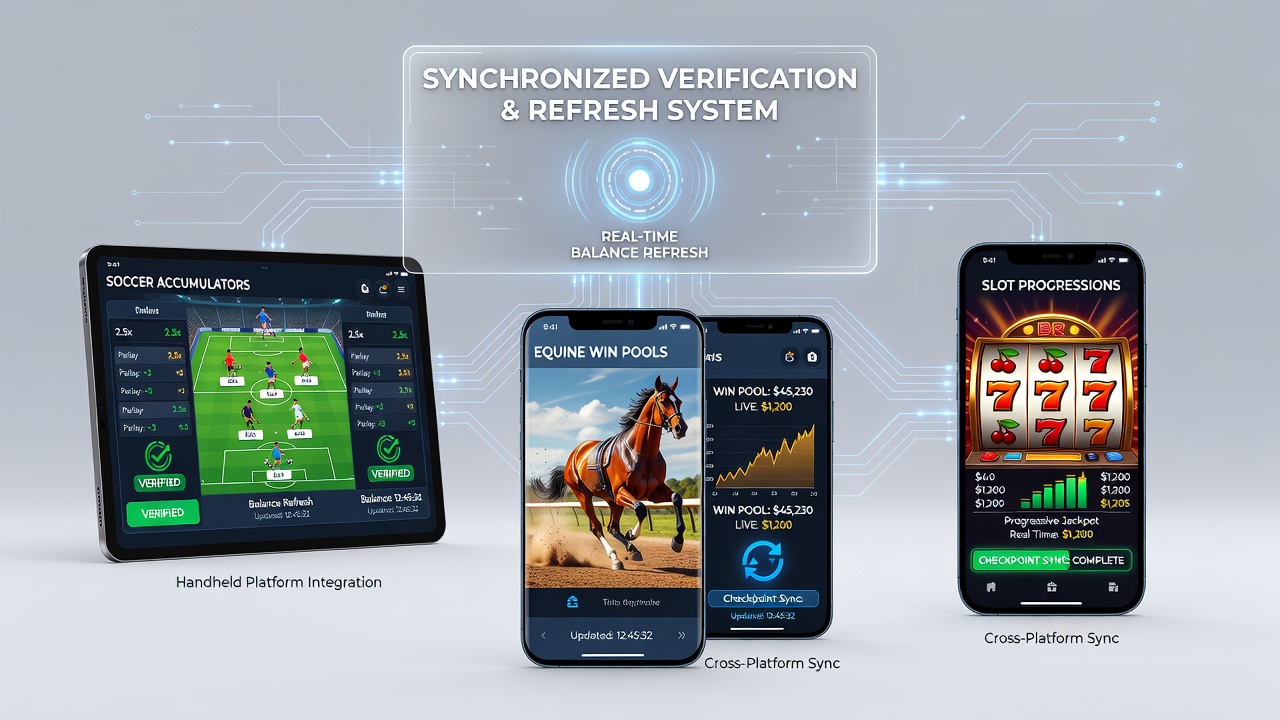
Operators have developed systems that align verification checkpoints directly with real-time balance refreshes on handheld devices, and these systems now support soccer accumulators alongside equine win pools plus slot progressions. Data from mobile sessions shows that simultaneous updates reduce discrepancies between user accounts and game states, while platforms track multiple bet types through unified APIs that pull balance information at each checkpoint. According to findings published by the Australian Gambling Research Centre, integrated refresh cycles cut processing delays by measurable margins across combined sports and gaming portfolios.
Verification Checkpoints in Accumulator Structures
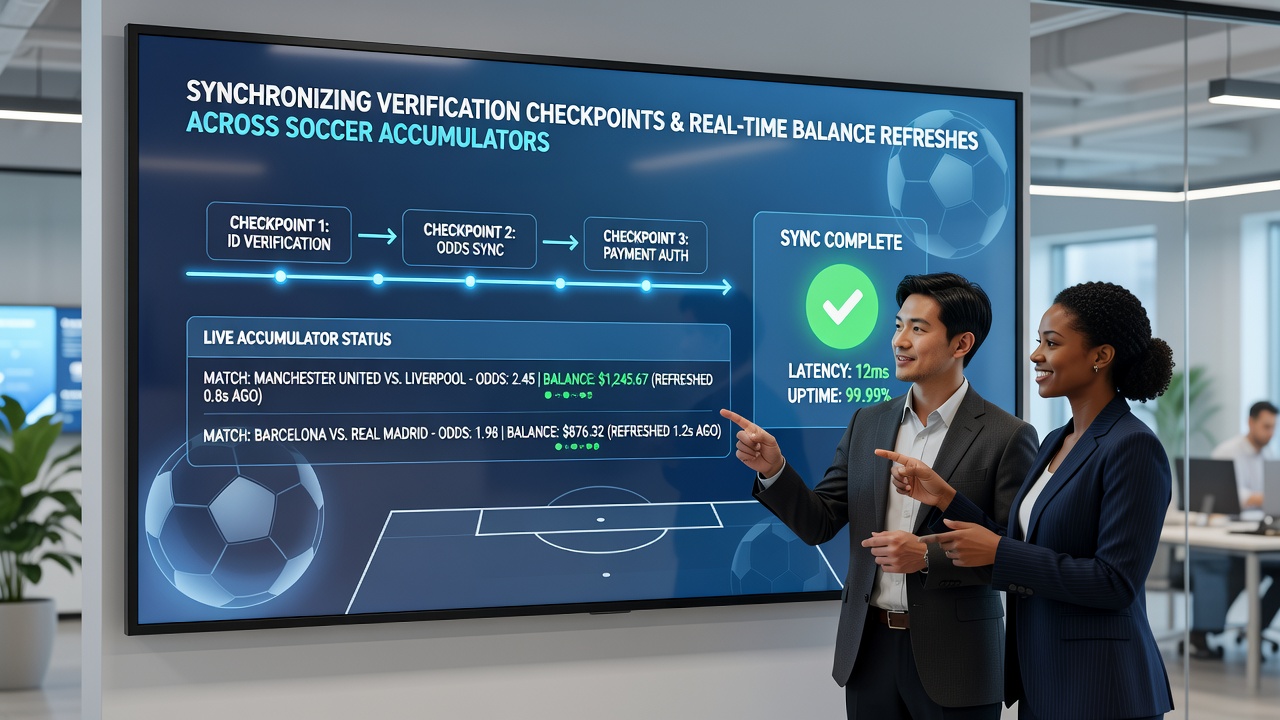
Soccer accumulators require staged verification at each leg completion, and systems refresh balances immediately after each outcome settles so that subsequent legs proceed without manual intervention. Engineers configure these checkpoints to query central ledgers every few seconds during live matches, which allows the platform to confirm funds remain available before the next selection activates. Observers note that handheld applications handle this through background threads that maintain session integrity even when network conditions fluctuate, and developers test these sequences against high-volume matchdays to ensure no lag occurs between settlement and refresh.
Equine Win Pool Integration
Equine win pools operate on different timing cycles than soccer markets because results finalize at the end of each race rather than continuously, yet synchronization remains essential. Balance refreshes occur right after pool dividends calculate, and verification checkpoints confirm wager status before users can reallocate confirmed winnings into new selections. Platforms coordinate these steps across handheld interfaces by using timestamped events that link pool closures directly to account updates, which prevents users from placing bets on stale balances during rapid race sequences.
Slot Progression Mechanics on Mobile
Slot progressions track incremental wins and bonus triggers that accumulate over multiple spins, and real-time balance refreshes must capture every micro-adjustment without interrupting the game flow. Verification checkpoints activate at set spin intervals or upon feature activations, pulling the latest balance from the server to align displayed credits with backend records. Research indicates that these frequent sync points help maintain accuracy during extended play sessions on handheld devices, where users switch between portrait and landscape modes or receive incoming notifications that could otherwise interrupt data streams.
Technical Architecture Supporting Unified Updates
Developers build these synchronization layers around event-driven architectures that trigger balance queries whenever a verification checkpoint fires, and the same framework serves soccer, equine, and slot modules simultaneously. Handheld platforms run lightweight client applications that cache temporary states locally while awaiting server confirmation, which reduces round-trip times and keeps the interface responsive. In August 2026 several operators rolled out enhanced compression protocols that further shortened these exchange windows during peak traffic periods across combined product offerings.
Those who have examined the backend logs report that conflict resolution algorithms compare incoming balance deltas against recent checkpoint records, and they apply corrections automatically when minor variances appear. This approach handles cases where a soccer accumulator leg settles at the same moment a slot bonus triggers, ensuring both updates register without one overwriting the other.
Regulatory and Operational Context
Industry groups such as the European Gaming and Betting Association have documented how synchronized systems support compliance requirements by maintaining auditable trails of every balance change tied to a verification event. Figures from their 2025 industry overview reveal that operators adopting unified refresh models recorded lower rates of manual dispute resolutions compared with fragmented legacy setups. Platforms continue to refine these processes as device hardware advances, incorporating newer sensors and faster wireless standards that improve the reliability of constant data exchanges.
Conclusion
Systems that synchronize verification checkpoints with real-time balance refreshes now operate across soccer accumulators, equine win pools, and slot progressions on handheld platforms through coordinated event handling and continuous ledger queries. These methods deliver consistent account states regardless of the mix of bet types active in a single session, and ongoing refinements continue to address timing variations inherent to each game category.