Identity Confirmation Procedures and Transaction Method Preferences Shaping Participation in Live Wagers on Team Sports Horse Racing and Electronic Games
Viktor Brooks · Sep 26, 2026
Identity Confirmation Procedures and Transaction Method Preferences Shaping Participation in Live Wagers on Team Sports Horse Racing and Electronic Games
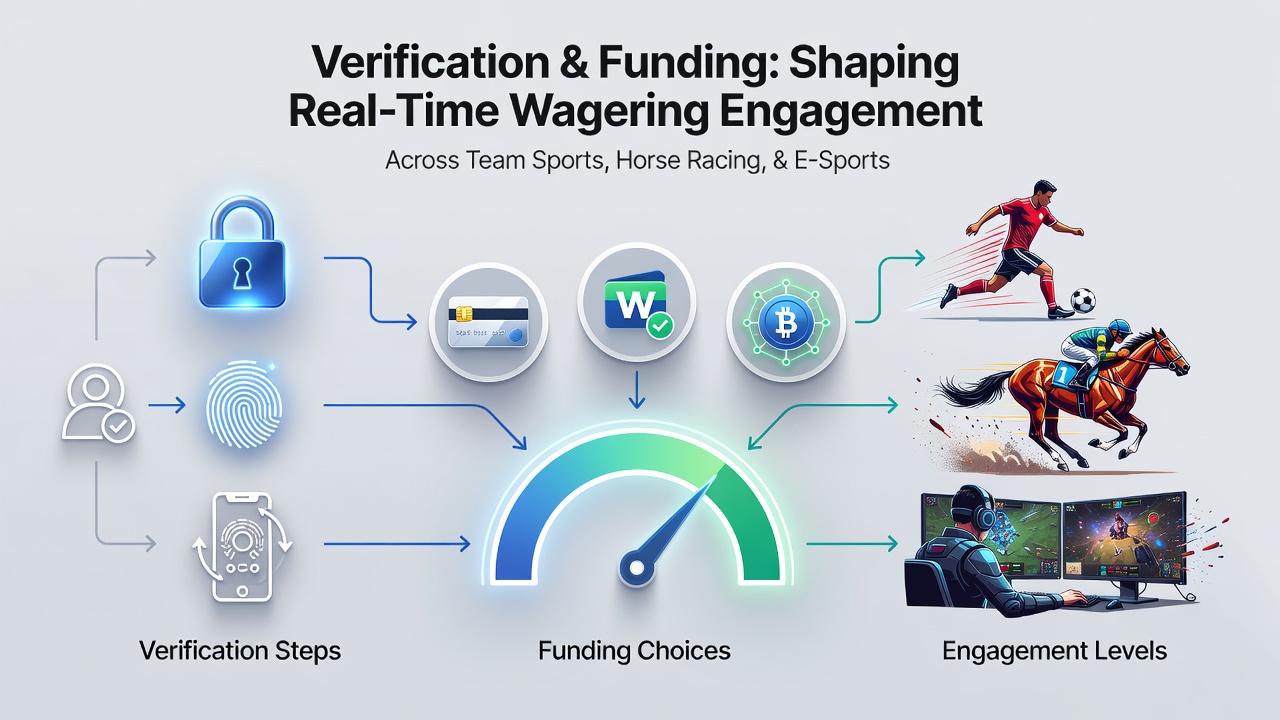
Identity confirmation procedures require participants to submit documentation such as government-issued identification and proof of address before accounts activate for real-time wagers on team sports horse racing and electronic games while funding method selections determine how quickly users can place bets once verification completes and these combined elements directly influence overall engagement rates across different betting categories according to multiple industry analyses.
Verification timelines vary by platform and jurisdiction with some operators completing checks within minutes through automated systems that cross-reference databases whereas others extend the process to several hours when manual reviews become necessary and this difference affects immediate participation levels in fast-paced environments like soccer matches or live horse races where odds shift rapidly and delays can lead users to abandon sessions entirely.
Verification Steps Across Betting Categories
Team sports such as soccer and basketball involve high volumes of in-play wagers that demand quick account access so platforms often integrate biometric options like facial recognition to accelerate confirmation and data from regulatory reports show that users who complete verification in under five minutes place substantially more live bets during a single event compared to those facing longer waits. Horse racing events require precise timing for pool bets and exotic wagers so verification processes that support instant mobile uploads of documents help maintain momentum and observers note that streamlined checks correlate with sustained activity through multiple races in a program. Electronic games including virtual slots and table games operate on continuous cycles where verification friction reduces spin frequency and studies indicate that automated approval systems increase session lengths by enabling uninterrupted funding and play sequences.
Funding choices further modulate these patterns because payment methods with instant processing allow verified users to capitalize on live opportunities whereas slower options like traditional bank transfers create gaps that lower engagement and analysts track these effects through transaction logs that reveal preferences for digital wallets and prepaid cards in high-velocity markets.
Funding Method Impacts on Real-Time Activity
Payment selections such as e-wallets credit cards and bank transfers each carry distinct speed and fee profiles that shape how often users engage with live markets and platforms offering multiple instant options see higher repeat activity in team sports where bettors chase shifting lines during matches while horse racing participants favor methods that support rapid top-ups between races to adjust stakes without interruption. Electronic game users tend toward low-friction deposits that align with short session bursts and data collected in September 2026 highlighted regional variations where North American operators reported elevated volumes when cryptocurrency options supplemented standard cards and wallets. One study revealed that instant funding reduced drop-off rates between verification completion and first wager by significant margins across all three categories and this pattern holds because users encounter fewer barriers when capital moves quickly from account to active betting interface.
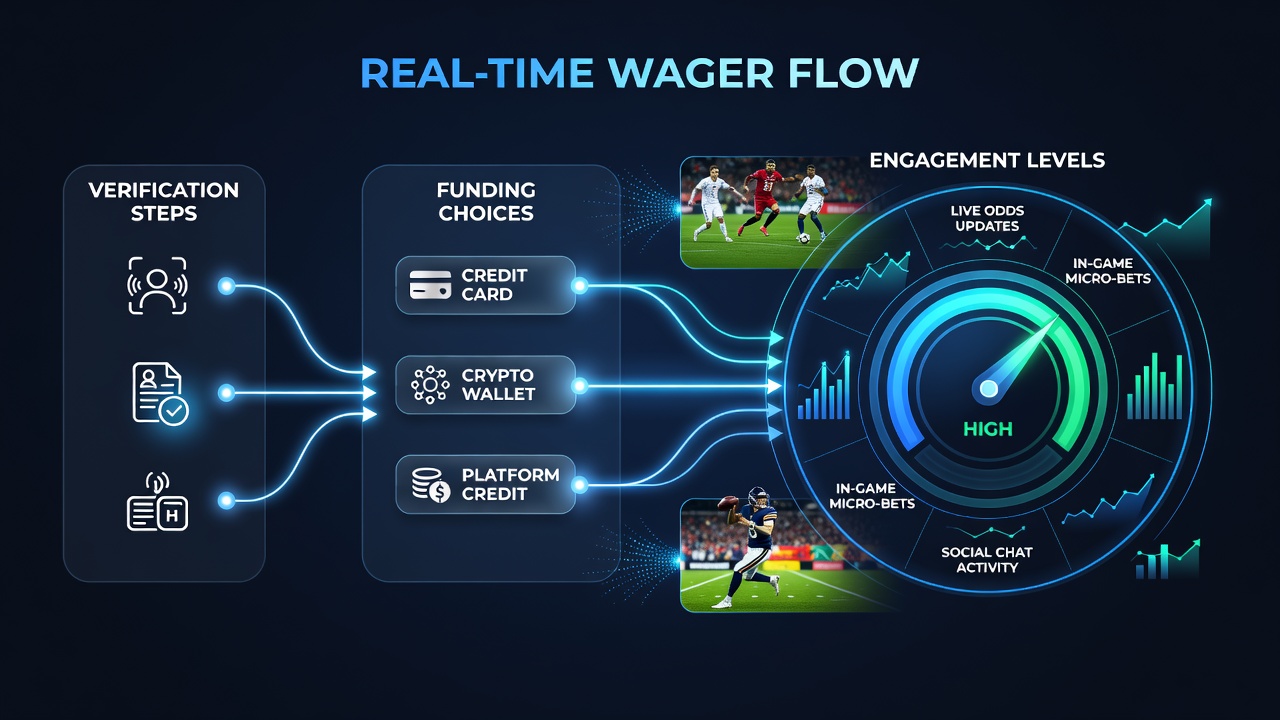
Regional regulatory frameworks add another layer because certain jurisdictions mandate specific verification thresholds that influence funding flexibility and operators adapt by prioritizing methods compatible with local rules to sustain user flows. For instance platforms in markets with strict anti-money laundering requirements integrate enhanced checks that pair with instant funding tools to offset any added time investment and this combination helps maintain engagement levels comparable to less regulated environments.
Patterns Observed in September 2026 Data
September 2026 figures from international gaming associations indicated that platforms emphasizing both rapid verification and diverse instant payment choices recorded higher average bets per verified user in team sports and horse events while electronic game segments showed gains tied primarily to funding speed rather than verification duration alone and these outcomes emerged from aggregated transaction data across multiple operators. Researchers tracking user behavior found that participants who selected digital wallet funding after verification engaged more frequently in live horse race pools because replenishment occurred seamlessly between events whereas those relying on card-based methods sometimes paused activity during processing intervals. Similar dynamics appeared in electronic games where quick deposits supported extended play sessions without the need to exit the interface and team sports betting benefited when verification allowed immediate access to in-play soccer markets that evolve within minutes.
Cross-category comparisons demonstrate that funding preferences often override verification speed once accounts activate because users prioritize methods that minimize additional steps during live events and this holds across geographic areas with varying oversight structures. Industry reports link these preferences to measurable differences in session frequency and total wagers placed and the connections become evident when platforms introduce new payment integrations that coincide with engagement upticks.
Conclusion
Verification steps and funding choices interact to determine how readily users participate in real-time wagers on team sports horse events and electronic games with faster processes supporting higher activity volumes according to available transaction records and regulatory summaries. Platforms that align confirmation timelines with instant payment options create conditions for sustained engagement while variations in these elements produce observable differences in betting frequency across categories. Data collected through September 2026 continues to illustrate these relationships as operators refine systems to match user preferences in competitive markets.