Support Frameworks Powering Mobile Live Betting Operations
Casey Keller · Oct 24, 2026
Support Frameworks Powering Mobile Live Betting Operations
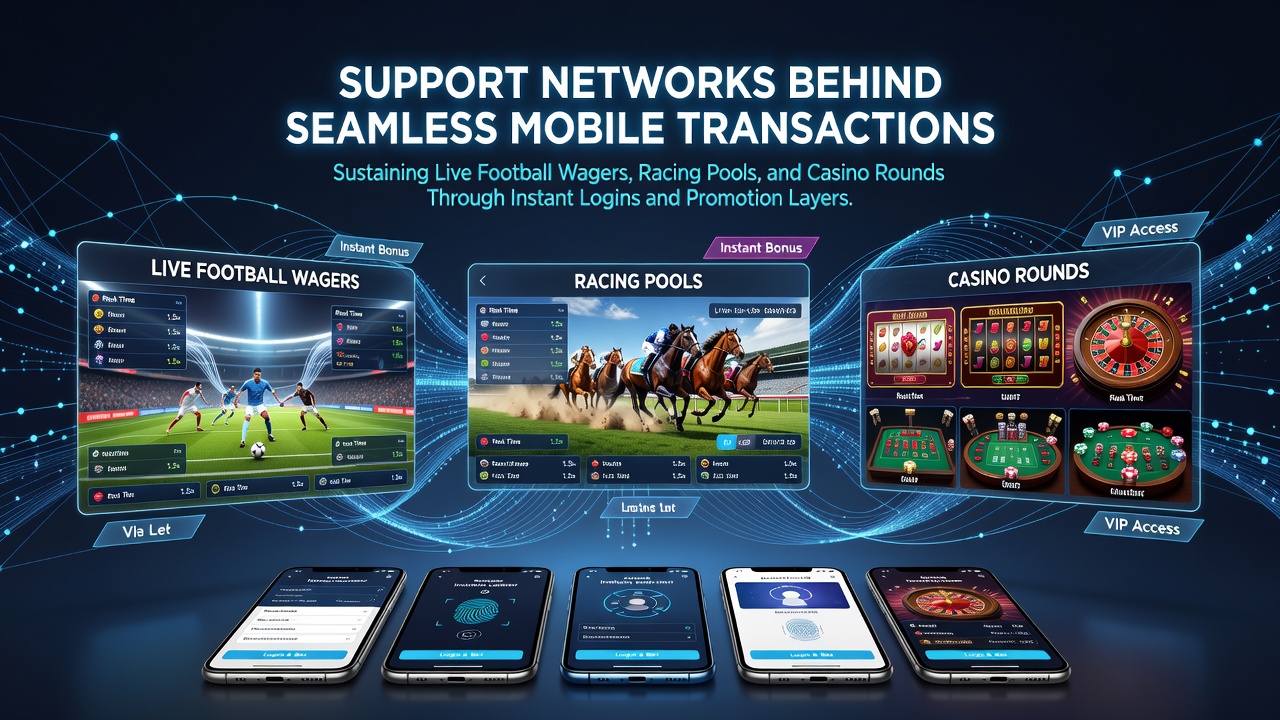
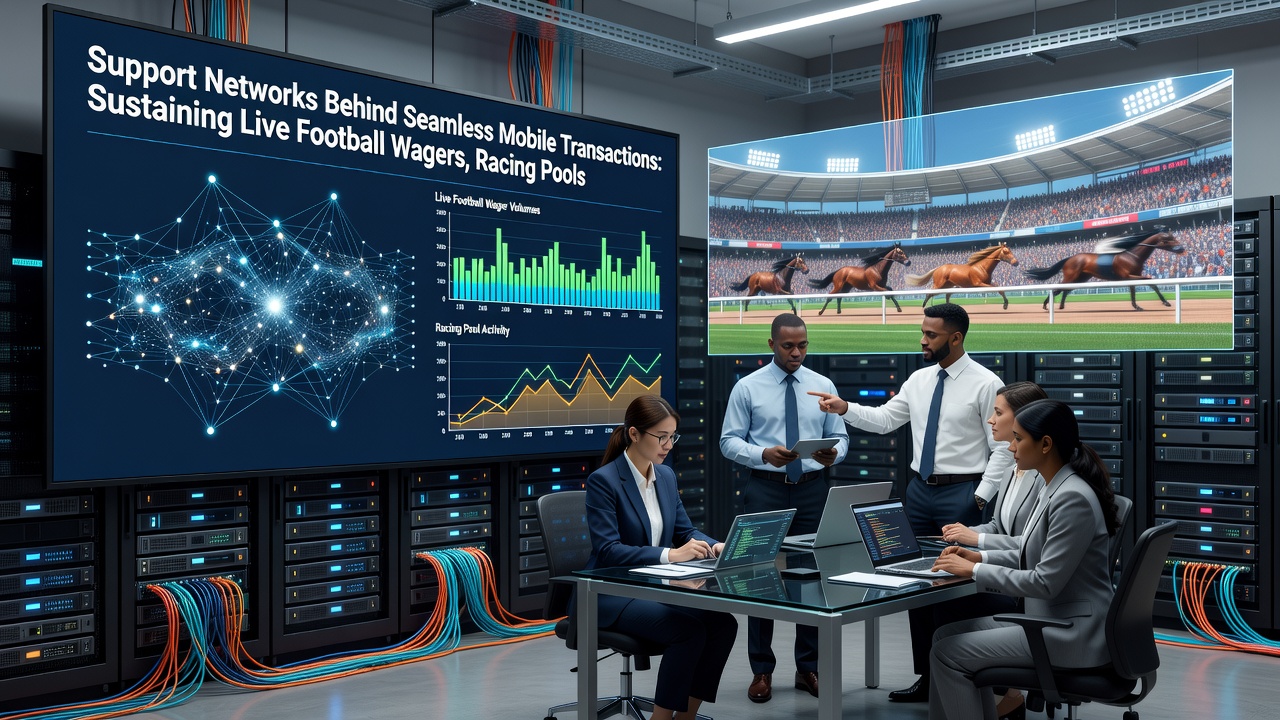
Support networks for mobile transactions consist of integrated payment gateways, authentication servers, and promotional engines that keep live football wagers, racing pools, and casino rounds running without interruption. These systems handle simultaneous demands from thousands of users during peak events, routing funds through multiple processors while verifying identities in seconds. Data from industry reports shows that transaction volumes in live markets can spike by 300 percent during major football matches or racing festivals, requiring redundant server clusters to maintain uptime above 99.9 percent.
Core Components of Transaction Infrastructure
Payment orchestration layers sit at the center of these networks, connecting banks, digital wallets, and card schemes through APIs that process deposits and withdrawals in under three seconds. Observers note that operators deploy load-balancing algorithms across geographically distributed data centers so that a surge in one region does not affect users elsewhere. Research from the European Gaming Institute indicates that real-time reconciliation engines now reconcile balances across dozens of currency pairs within milliseconds, reducing settlement disputes that previously required manual intervention.
Security protocols wrap every transaction with tokenization and behavioral analytics. These tools flag unusual patterns, such as rapid successive logins from new devices, and trigger additional verification steps without halting the session. Figures from the Nevada Gaming Control Board reveal that mobile fraud attempts in regulated markets dropped 18 percent between 2024 and 2026 after widespread adoption of device-fingerprinting combined with biometric checks.
Instant Login Mechanisms and Session Continuity
Login flows rely on single-sign-on frameworks that pull credentials from trusted identity providers while maintaining session tokens across multiple betting modules. Users move from a football in-play market to a racing pool and then into a live casino table without re-authenticating, because the token remains valid across micro-services. Engineers have observed that session handoff times average 1.2 seconds when edge computing nodes cache user profiles near the point of access.
Multi-factor authentication integrates push notifications and time-based codes that appear within the same app interface. This approach avoids redirecting users to external browsers, preserving the flow required for time-sensitive wagers. In October 2026, several platforms introduced passwordless options that use passkeys stored on user devices, cutting login failures by an additional 27 percent according to internal platform metrics shared with regulators.
Promotion Layers and Real-Time Incentives
Promotion engines operate as separate micro-services that calculate bonuses based on live activity and user history. When a football match enters extra time or a race approaches the final furlong, these engines push targeted credits or boosted odds directly into the active session. The Australian Institute of Family Studies documented that such dynamic offers reach users within 800 milliseconds of a qualifying event, increasing participation rates without requiring separate navigation.
Layered reward structures combine free bets, deposit matches, and cashback tiers that update automatically as users complete actions. These systems reference real-time risk models so that promotions remain profitable even during high-volatility periods. Data compiled by the Canadian Centre on Substance Use and Addiction shows that operators who synchronize promotions with live event triggers experience 15 percent higher retention compared with static offer schedules.
Integration Across Football, Racing, and Casino Environments
Unified back-end platforms allow a single user account to fund wagers in football markets, racing pools, and casino rounds while sharing the same balance and transaction history. This consolidation reduces reconciliation errors that once occurred when separate ledgers operated in parallel. Observers report that API gateways now expose standardized endpoints so third-party developers can build companion tools that display consolidated statements across all verticals.
Regulatory reporting modules pull anonymized transaction logs at scheduled intervals, feeding data to oversight bodies without exposing individual identities. The Malta Gaming Authority requires such feeds to include timestamps for every login, deposit, and bonus claim, enabling audits that verify compliance with responsible gaming thresholds.
Conclusion
Support networks continue to evolve through tighter integration of payment rails, authentication services, and promotional logic. These components work together to sustain uninterrupted access for live football wagers, racing pools, and casino rounds, while meeting expanding regulatory expectations across multiple jurisdictions. Continued investment in edge infrastructure and real-time analytics supports the operational standards now expected in mobile-first environments.